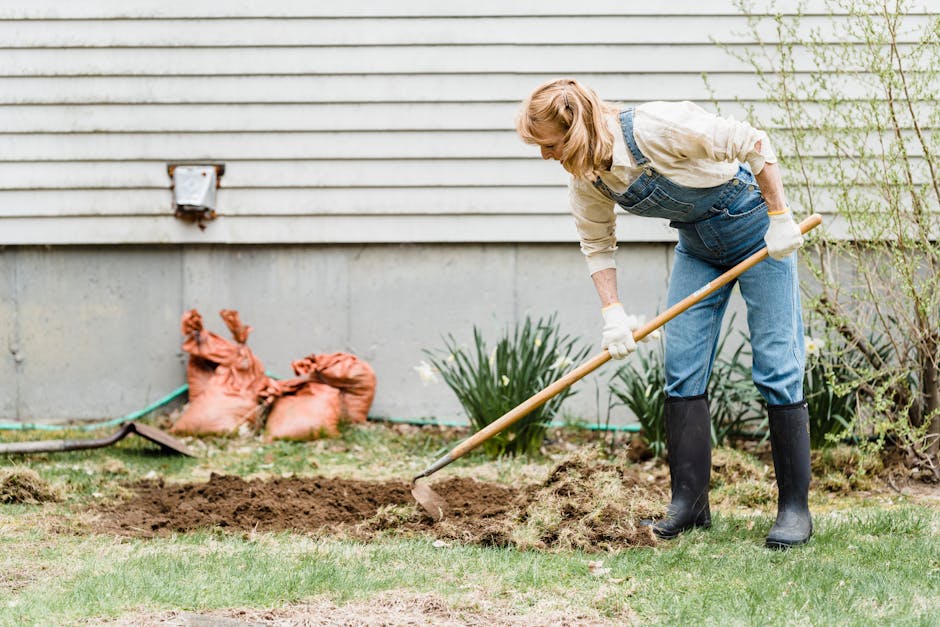
Essential soil preparation guide for healthy UK lawns
If you want a lawn that stays green for longer, bounces back after rain, and survives those awkward UK weather swings, the groundwork matters more than the grass seed. A healthy lawn starts below the surface. In this essential soil preparation guide for healthy UK lawns, you'll learn how to assess your soil, improve structure, deal with compaction, and create the right conditions for strong root growth. It sounds a bit unglamorous, to be fair, but this is the part that turns patchy turf into a proper lawn.
Most lawn problems people blame on seed, shade, or "bad luck" are actually soil problems in disguise. Drainage, pH, nutrient balance, and surface level all play a role. Get those right and your lawn renovation becomes a lot easier. Get them wrong and even premium seed can struggle.
Table of Contents
- Why soil preparation matters for UK lawns
- How soil preparation works
- Key benefits and practical advantages
- Who needs this and when it makes sense
- Step-by-step guidance
- Expert tips for better results
- Common mistakes to avoid
- Tools, resources and recommendations
- Law, compliance, standards, or best practice
- Options, methods, or comparison table
- Case study or real-world example
- Practical checklist
- Conclusion
- Frequently asked questions
Why soil preparation matters for UK lawns
UK lawns live in a climate that keeps gardeners on their toes. One week the ground is soft and wet, the next it's crusty and dry at the top but still damp underneath. That variation makes soil preparation more than a nice extra. It is the foundation of long-term lawn health.
Healthy grass needs air, water, and nutrients in the root zone. If the soil is compacted, roots stay shallow and weak. If the drainage is poor, water sits on the surface and encourages moss, disease, and bare patches. If the soil is starved or too acidic, grass may germinate poorly and thin out faster than expected. And yes, in many UK gardens, all three problems show up together.
Think of soil preparation as lawn insurance, except it's practical and you can actually see the results. You're not just making the surface look neat for a weekend. You're giving the lawn a better chance to hold up through foot traffic, winter damp, summer stress, and the occasional family football match that somehow becomes a full-contact sport.
If your garden has broader challenges such as poor drainage, heavy shade, or exposed wind, it can help to think about the lawn as part of the wider landscape. Articles like strengthening your garden's defence against weather extremes and creating a wind-resilient garden paradise connect naturally with the same idea: resilient gardens begin with resilient soil.
How soil preparation works
Soil preparation is the process of improving the top layer of ground so seed, turf, or lawn repair materials can establish properly. In plain English, you are making the soil easier for grass roots to live in.
For a typical UK lawn, the process usually involves five things:
- clearing debris, weeds, stones, and old thatch
- loosening compacted ground
- improving structure with compost or topsoil where needed
- levelling the surface for even growth and mowing
- watering and settling the area before seeding or laying turf
The exact method depends on what you're starting with. Clay soil behaves differently from sandy soil. A shaded rear garden needs a different approach from a sunny front lawn. Newly built gardens often have poor subsoil and leftover rubble. Older gardens may have years of compaction from walking, mowing, and the odd trampoline. Happens all the time.
There is also timing. In the UK, soil preparation tends to work best when the ground is moist but not waterlogged, and when temperatures support growth. That usually means spring and early autumn are the sweet spots for many lawns. If you prepare a lawn in a cold, saturated spell, the work can feel endless and the results can be patchy. You'll know when the soil is "right enough" because it breaks up rather than smearing into sticky clods.
Key benefits and practical advantages
Good soil preparation pays you back in several ways, and not just in looks. Here's what improves when the groundwork is done properly.
Better germination and establishment
Whether you are overseeding or laying a fresh lawn, seed contact with fine, workable soil matters. Poorly prepared ground leaves air gaps and uneven moisture, which makes germination inconsistent. Some patches surge ahead while others lag behind. That uneven start is hard to fix later.
Stronger root development
Grass roots prefer loose, oxygenated soil. Prepare the ground well and roots can move deeper, which helps the lawn access moisture and nutrients more efficiently. That usually means less stress in dry spells and better recovery after use.
Reduced moss and waterlogging issues
Moss often takes hold where grass is weak, shaded, or sitting in compacted, damp soil. Preparing the ground to improve drainage and aeration doesn't eliminate moss on its own, but it removes a major reason moss wins out in the first place.
More even mowing and cleaner edges
Level ground makes mowing simpler. You get fewer scalped areas, fewer humps that catch the mower, and a cleaner finish overall. It's a small thing that makes the lawn look much more cared for.
Lower maintenance over time
A well-prepared lawn generally needs fewer rescue jobs. Less patching, less overwatering, fewer frustrated reseeds. Not zero maintenance, obviously, but much less drama.
Expert summary: The best lawns are not built on the richest soil alone. They are built on soil that drains well, holds enough moisture, and is loose enough for roots to spread. That balance matters more than perfect-looking topsoil.
Who this is for and when it makes sense
This guidance is useful if you are starting a lawn from scratch, repairing worn-out turf, or trying to improve an existing lawn that's looking tired. It's especially relevant if you notice standing water, bare areas, moss, shallow roots, or a lawn that seems fine in spring but collapses later in the year.
It also makes sense if you have recently carried out wider garden changes. For example, after landscaping works, tree pruning, fence installation, or patio changes, the ground can be left uneven or compacted. A lawn rarely forgives that sort of disruption without some remedial work. If your project is part of a broader refresh, you may also find value in related services such as garden maintenance, lawn care, landscaping, and lawn mowing.
For beginners, it can feel like a lot. But you do not need specialist knowledge to get started. You need patience, decent timing, and a willingness to do the boring bits properly. If you are new to gardening altogether, the practical advice in these foundational gardening tips for beginners is a handy companion read.
Step-by-step guidance
This is the part where the work gets real. Follow the steps in order and you'll avoid most of the common lawn headaches.
1. Assess the existing soil
Start by looking closely at what you actually have. Is the soil heavy and sticky? Light and free-draining? Full of builders' rubble? Covered in old roots or thatch? A quick inspection tells you a lot.
A simple hand test helps too. Pick up a handful of moist soil and squeeze it. If it forms a tight, plastic-like ball, you may have clay-heavy ground. If it falls apart instantly and feels gritty, it's likely sandy. If it holds together loosely but not too firmly, that is often a more balanced loam.
2. Clear the area properly
Remove stones, weeds, old turf, broken branches, and any leftover debris. If the lawn area has been neglected for a while, there may be buried surprises. Old patio sand, construction waste, even random bits of plastic turned up in one garden I saw not long ago. Gardener's treasure hunt, basically.
Where weeds are persistent, deal with them before you seed or turf. Otherwise, you're giving the weeds a head start that will annoy you for months.
3. Test drainage and compaction
Dig a small hole and fill it with water. If it drains very slowly, drainage is likely an issue. Walk across the area too. If the soil feels hard underfoot or leaves a very shallow impression, compaction may be holding the lawn back.
Compaction is common in family gardens, side return lawns, and anywhere people tend to cross the same lines every day. The good news is that it can be improved.
4. Break up the soil
Use a fork, aerator, or mechanical cultivator depending on the size of the area. The goal is to loosen the upper soil without turning the whole thing into a deep mess. For small gardens, hand tools are usually enough. For bigger spaces, a powered rotavator can save a great deal of time.
Work in sections. Don't rush it. If the soil is slightly moist, it breaks up more cleanly and creates a better tilth for seed.
5. Improve the structure
Now add what the soil needs. Heavy clay often benefits from organic matter such as well-rotted compost, which helps open the structure. Very sandy soil may need organic matter too, because it drains too quickly and doesn't hold nutrients for long. In many gardens, a moderate layer of quality topsoil or compost blend helps create a more even seedbed.
Be careful not to bury problems. If there's a drainage issue caused by a slope or subsoil, throwing topsoil over the top won't magically solve it. Sometimes you need a more structural fix, which is where proper landscaping judgement comes in.
6. Level the surface
Rake the area so it is smooth and even, but not unnaturally flat. A lawn should be level enough to mow without catching bumps, yet still allow water to run off rather than pool. Use a straight edge or board if you want to check for dips and ridges.
It's a bit like making a bed. Not too perfect, not sloppy. Somewhere in the sensible middle.
7. Firm the ground lightly
After loosening and improving the soil, lightly firm it so the surface settles. Then rake again to remove footprints and fine-tune the top layer. This step gives grass seed or turf better contact with the soil below.
8. Apply seed or lay turf at the right time
Once the soil is ready, seed or turf promptly. Don't leave a freshly prepared area sitting exposed for weeks. Weeds will move in, rain can churn the surface, and the tidy soil you worked for starts to lose its edge.
Water gently but thoroughly. You want moisture to settle the surface, not wash your work into a small muddy disaster.
9. Protect the new surface
Keep foot traffic off the area while it establishes. If needed, use temporary edging or a simple barrier. In a family garden, that may mean explaining to children that the "no running zone" is temporary. Good luck with that, by the way, but it helps.
Expert tips for better results
Once the basics are done, a few details can make a surprisingly big difference.
- Time your work to the weather. A damp but workable spell is ideal. Avoid preparing waterlogged ground if you can help it.
- Don't overwork clay. If clay soil is too wet, it smears and compacts. Wait until it's friable enough to break apart.
- Match the soil amendment to the problem. Compost improves structure, but it won't fix a hard drainage layer deep below the surface.
- Think beyond the lawn. Trees, hedges, and nearby borders influence light, moisture, and competition. For instance, the right hedge placement can improve shelter, as discussed in this hedge variety guide.
- Feed lightly after establishment. Once the lawn is growing well, feeding at the right time helps it thicken and recover. Don't overdo it.
- Use the lawn itself as a signal. Thin growth, yellowing, and poor recovery usually tell you something about the soil underneath.
One extra point: if weeds are already a battle in your garden, pair soil preparation with a proper weed strategy. The article on effective ways to control weeds fits neatly with lawn renovation work. A tidy seedbed and a weed-heavy seedbed are not remotely the same thing.
And yes, you can absolutely overcomplicate this. We all do it at times. The trick is to keep coming back to the same question: does the soil help grass roots do their job?
Common mistakes to avoid
Most poor lawn outcomes can be traced back to a few avoidable errors. Here are the usual suspects.
Skipping the soil assessment
If you don't know whether the issue is compaction, poor drainage, or low fertility, you may spend time and money on the wrong fix. That's a frustrating one because it feels productive right up until the lawn refuses to improve.
Adding too much topsoil on top of bad ground
People sometimes try to "level out" a lawn by dumping on new soil without addressing the base layer. The result can be a perched lawn that looks good for a while but struggles later because water can't move correctly through the profile.
Working wet clay soil
This is a classic mistake in the UK. Wet clay is sticky, hard to break up properly, and easy to compact. If you can delay the job, do so. A few days can save a lot of regret.
Leaving the area exposed too long
Prepared ground should not sit around for weeks before seeding or turfing. Wind, rain, birds, and weeds all work against you. Annoyingly efficient, they are.
Using poor-quality or unsuitable materials
Cheap topsoil can be inconsistent, weedy, or overly rich in debris. If you're improving a lawn, quality matters more than a bargain that causes problems later.
Ignoring shade and tree roots
Under trees or in deep shade, grass competes with roots and light levels are lower. Soil prep still helps, but expectations need to be realistic. Sometimes a partial lawn or an alternative planting area is more sensible. In darker spaces, you may prefer options like the ideas in this shade-tolerant planting guide.
Tools, resources and recommendations
You don't need a van full of kit, but the right tools make the job cleaner and faster.
| Tool | Best use | Why it helps |
|---|---|---|
| Garden fork | Small lawns and hand aeration | Breaks up compacted areas and improves airflow |
| Rake | Levelling and debris removal | Creates a smoother, more even seedbed |
| Spade | Edging and lifting poor patches | Useful for removing old turf or reshaping borders |
| Wheelbarrow | Moving soil and compost | Makes material handling less of a back-ache |
| Aerator or hollow tine tool | Compacted lawns | Helps relieve surface compaction more effectively |
| Rotavator | Larger areas | Saves time on bigger preparation jobs |
| Straight board or level | Checking dips and bumps | Helps create a mowable, even finish |
For a proper garden refresh, it can also help to revisit the bigger picture. If the lawn is part of a garden revival project, the ideas in kickstarting a garden revival may give you useful direction. And if you're thinking about practical equipment, this guide to essential gardening gear is a decent place to start.
When the job is more complex than it first appears, professional help can save time and reduce rework. That tends to be especially true with severe compaction, uneven levels, or drainage problems that may require a broader approach than simple lawn dressing.
Law, compliance, standards, or best practice
For most domestic lawn preparation work, there usually isn't a specific legal process attached to the soil itself. That said, good practice still matters, especially if the work is part of a larger garden project.
Best practice in the UK generally means:
- disposing of waste responsibly and not dumping soil or green waste where it doesn't belong
- checking for underground services before deep digging where relevant
- using tools safely and following sensible site precautions
- being careful around shared boundaries, fences, paving, and neighbouring gardens
- avoiding chemical treatments unless they are suitable for the site and used as intended
If contractors are involved, you'd expect them to work in line with ordinary health and safety expectations and to respect access, security, and property care. Helpful pages such as health and safety policy, insurance and safety, terms and conditions, and payment and security are part of the trust picture when hiring anyone to work on your garden.
If you want a little more background on the business itself, about us gives a sense of who is behind the service, while the complaints procedure shows how issues are handled. That sort of transparency is worth checking, even for fairly straightforward lawn work.
Options, methods, or comparison table
There's more than one way to prepare a lawn. The right method depends on the condition of your soil, your budget, and how much time you've got.
| Method | Best for | Pros | Watch-outs |
|---|---|---|---|
| Hand preparation | Small lawns, patch repairs | Low cost, precise, quiet | Slow on larger areas |
| Mechanical cultivation | Medium to large areas | Fast, thorough, efficient | Can overwork soil if used badly |
| Aeration only | Established lawns with compaction | Less disruptive, good for maintenance | Won't fix poor structure alone |
| Topsoil dressing | Minor levelling and surface improvement | Useful for smoothing and feeding the surface | Not a cure for drainage issues |
| Full renovation | Severely damaged or failed lawns | Best reset for badly affected ground | More expensive and labour-intensive |
If the issue is mostly small patches and mild compaction, hand tools and targeted aeration may be enough. If the lawn has sunk, puddles, and poor soil everywhere, a fuller renovation is usually more sensible. In larger gardens, it can be worth combining lawn work with other improvements like fencing, tree surgery, or broader gardening services so the whole space works together.
Case study or real-world example
Here's a realistic example from a typical UK back garden. A homeowner had a lawn that looked fine from the kitchen window but felt spongy near the bottom, thin in the middle, and mossy under a nearby tree. After years of walking the same route to the shed, the soil had become compacted. Rain lingered on the surface, and the grass roots were shallow.
The fix was not dramatic, but it was methodical. The area was cleared, the soil was forked through in sections, and an organic matter blend was added to improve structure. The surface was levelled gently rather than flattened rigidly. Because the tree was contributing shade and competition, the expectation was set that the lawn would improve rather than become perfect. That matters. Honest expectations save a lot of disappointment.
Within a season, the lawn had better colour, fewer bare patches, and much improved recovery after light use. The wettest spot still needed monitoring, but the overall difference was obvious. The biggest change wasn't the visible greening, though. It was the way the lawn started behaving more like healthy ground and less like an angry sponge.
If that kind of project sounds familiar, it may be worth combining soil work with a wider seasonal reset. The article winter survival advice for garden plants is useful for planning around the tougher months, while turning organic waste into fertile ground is a good fit if you want to improve soil health naturally over time.
Practical checklist
Use this as a quick before-you-start checklist. Simple, but useful.
- Check whether the lawn area has compaction, drainage issues, shade, or poor soil
- Remove weeds, debris, stones, and old turf
- Test how quickly water drains in the problem areas
- Loosen the soil with a fork, aerator, or cultivator
- Add compost or suitable topsoil where needed
- Rake to a smooth, even finish
- Firm lightly so the surface settles
- Seed or turf without delay
- Water carefully and consistently
- Keep traffic off the new lawn while it establishes
- Reassess after establishment and address any lingering low spots or drainage problems
If you're creating a fresh garden layout at the same time, it can be handy to think about how the lawn connects to other areas. For inspiration, you might look at ground cover planting ideas, vertical gardening, or even garden seating arrangements so the whole space feels intentional, not pieced together.
Conclusion
Healthy lawns don't begin with seed. They begin with soil that can breathe, drain, hold nutrients, and support roots properly. That's the heart of this essential soil preparation guide for healthy UK lawns. Once the base is right, everything else becomes easier: seeding, turfing, mowing, feeding, and long-term care.
The nice thing is that soil improvement usually rewards effort quickly. You see better germination, more even growth, and a lawn that starts to look as though it belongs there. Not flashy, just solid. And honestly, solid is what most gardens need.
If you want help turning a tired patch into a stronger, healthier lawn, now is a good time to take the next step and talk through the options with a local professional.
Get a free quote today and see how much you can save.
For tailored advice or to discuss your garden's specific conditions, contact the team directly. Sometimes a short conversation saves weeks of guesswork, and that's no bad thing.
Frequently Asked Questions
What is the best soil for a healthy UK lawn?
A free-draining loam with plenty of organic matter is usually the best starting point. It holds moisture without becoming waterlogged and gives grass roots room to spread.
When is the best time to prepare lawn soil in the UK?
Spring and early autumn are usually the most practical times because temperatures and moisture levels support establishment. Avoid working saturated winter soil whenever possible.
Do I need to remove old grass before reseeding?
Not always, but if the lawn is patchy, weedy, or heavily compacted, removing or thinning the old surface can give new seed a far better chance of success.
How do I know if my lawn soil is compacted?
If water drains slowly, the ground feels hard underfoot, and the grass roots are shallow, compaction is likely part of the problem. A fork test or core aeration can confirm it in practice.
Can I just add topsoil over a bad lawn?
Only in limited situations. Topsoil can help with minor levelling or surface improvement, but it won't fix poor drainage or severe compaction on its own.
Should I use compost when preparing lawn soil?
Yes, in many cases. Well-rotted compost can improve structure, especially in heavy clay or tired soil. Use it sensibly and mix it into the top layer rather than piling it on.
How deep should I prepare the soil for turfing or seeding?
Usually the top layer is the focus, because that is where most grass roots start. The exact depth depends on the condition of the site, but the aim is a workable, even seedbed rather than a deep dig-out.
Why does my lawn keep getting moss even after treatment?
Moss often returns when the underlying conditions are still poor. Shade, compaction, poor drainage, and thin grass all make it easier for moss to re-establish.
Is aeration enough on its own?
Sometimes, yes, for an established lawn with mild compaction. But if the soil structure is poor or the ground is uneven, aeration alone is only part of the solution.
What should I do if my garden stays wet after heavy rain?
Start by checking whether the issue is localised or across the whole lawn. Persistent wet areas may need drainage improvements, soil amendment, or a more complete renovation approach.
How much does lawn soil preparation usually cost?
Costs vary with the size of the lawn, how much waste must be removed, whether machinery is needed, and how much levelling or soil improvement is involved. A site visit or proper quote is the most reliable way to judge it.
Can soil preparation help if my lawn is in shade?
Yes, but only up to a point. Better soil gives grass a stronger chance, yet deep shade remains a challenge. In very shaded spots, you may need to consider alternative planting or redesign.
Is lawn preparation different for new-build gardens?
Very often, yes. New-build soil can be compacted, uneven, and mixed with rubble or poor subsoil. It usually needs more correction than an older garden lawn.
Should I hire a professional for soil preparation?
If the area is large, badly compacted, uneven, or affected by drainage issues, professional help can save time and reduce mistakes. For smaller, straightforward areas, many homeowners can handle it themselves with patience.