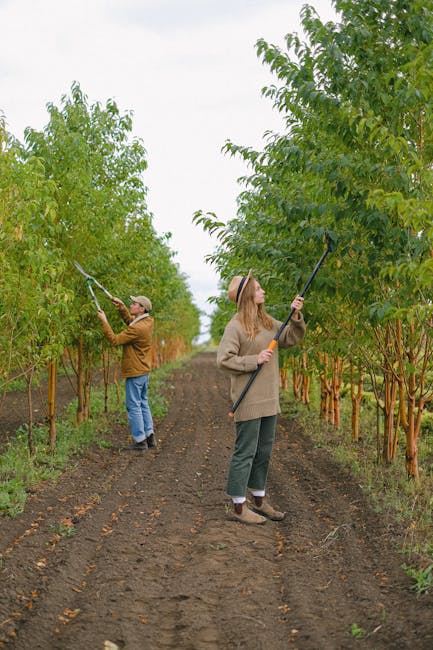
Best timing for pruning fruit trees across the UK
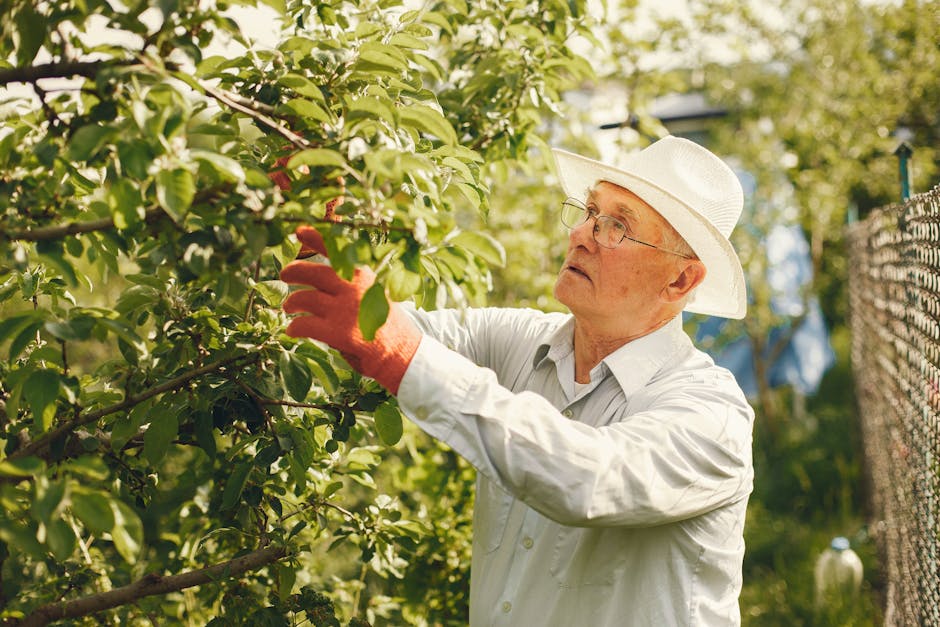
Getting the timing right for pruning fruit trees can make the difference between a tidy, productive tree and one that sulks for a season. The best timing for pruning fruit trees across the UK depends on the tree type, the weather in your part of the country, and what you want the tree to do next: crop better, grow more neatly, or recover from a bit of neglect. Cut too early and you can invite frost damage. Leave it too late and you may lose vigour, shape, or fruiting wood. It sounds simple, but in real gardens it rarely is.
In this guide, you'll get a clear, UK-specific breakdown of when to prune apples, pears, plums, cherries, and softer-fruiting trees, plus the seasonal logic behind each choice. We'll also cover mistakes to avoid, the tools that actually help, and when it makes sense to call in help from a professional tree team. If you've ever stood in the garden in February, secateurs in hand, wondering whether you're about to do the right thing - you're in the right place.
Why Best timing for pruning fruit trees across the UK Matters
Pruning is not just about keeping a tree smaller. Timing shapes how the tree responds. In the UK, where winter can turn mild, wet, and then suddenly sharp again, pruning at the wrong moment can stress a tree at exactly the wrong time. Fruit trees are living, seasonal things; they react differently depending on whether they're dormant, waking up, actively growing, or already setting buds.
For most home gardeners, the main goal is a good crop without turning the tree into a dense tangle of weak, crossing branches. But timing also affects disease risk. Wet weather and low temperatures can create ideal conditions for infections to enter fresh cuts, especially in stone fruit like plum, cherry, and apricot. That is why British pruning advice tends to be a little more cautious than a one-size-fits-all calendar.
There's also the simple matter of recovery. A tree pruned at the right moment tends to seal wounds better, push healthy new growth, and distribute energy into fruiting wood rather than unnecessary extension growth. If you're trying to restore an old, overgrown tree, timing becomes even more important. That's where articles like kickstarting a garden revival can be useful context, because pruning is often the first step in bringing a tired fruit tree back into balance.
How Best timing for pruning fruit trees across the UK Works
The basic principle is this: prune when the tree can handle the stress and when the risk of disease or damage is lowest. In practice, that means different windows for different fruit types.
Winter pruning is usually used for apples and pears because trees are dormant, structure is easy to see, and cuts tend to stimulate fresh growth in spring. Summer pruning is often used to slow vigorous growth, improve light into the canopy, and help manage size. Stone fruits need more caution, because pruning them in wet or freezing conditions can increase disease pressure.
Across the UK, timing also shifts with local weather. A sheltered garden in Cornwall will not behave like an exposed plot in Northumberland. Coastal mildness can bring earlier bud swell. Inland frost pockets can keep trees asleep longer. So while calendars matter, observing the tree matters more. Look for bud movement, sap flow, and soil conditions. If the ground is waterlogged and your hands are freezing, it is probably not the day for major surgery on a young tree. To be fair, a lot of pruning mistakes happen because the gardener is more eager than the tree is ready for.
Pruning is really a conversation with the tree. You remove what is weak, crowded, diseased, or badly placed, and the tree replies with new growth in the next season. The timing determines whether that reply is calm and productive, or messy and over-enthusiastic.
Key Benefits and Practical Advantages
When pruning is timed well, the payoff is easier to spot than people expect.
- Better fruit quality - more light reaches developing fruit, which often improves colour, flavour, and even ripening.
- Stronger branch structure - the tree can be trained to carry future crops without limbs splitting under weight.
- Less disease risk - especially important for stone fruits and for pruning in damp weather.
- Improved air movement - a more open canopy dries faster after rain, which is helpful in the UK climate.
- Easier harvesting - a sensible shape means less ladder drama and fewer hidden apples rotting out of sight.
- More manageable size - a huge practical win for smaller gardens and mixed borders.
There is a quieter benefit too: pruning at the right moment helps the whole garden feel more organised. That may sound a bit odd, but anyone who has worked around a well-shaped tree knows the difference. Light changes. Paths feel safer. Underplanting gets more sun. Even nearby beds seem to breathe again. If your garden has a lot of structure to balance, a little pruning can sit neatly alongside advice from our hedge variety guide and our topiary trimming techniques piece, because all three are really about shaping living growth with restraint.
Who This Is For and When It Makes Sense
This guidance is for anyone managing fruit trees in a UK garden, whether you've got one apple tree by the fence or a small orchard in a larger plot.
- New gardeners who are nervous about cutting too much or cutting at the wrong time.
- Owners of mature fruit trees that have gone dense, shaded, or a bit unruly over the years.
- People in cooler, wetter parts of the UK who need to avoid disease-prone pruning windows.
- Gardeners with limited space who need compact trees and clean structure.
- Anyone aiming for better crops rather than just neater branches.
It also makes sense if you have just inherited a neglected garden. In that situation, pruning can be part of a wider reset. A good first pass, a bit of fertilising, some weed control, then patience. If that sounds familiar, you may also find ideas on building fertile ground helpful, because tree performance is tied to soil health far more than people sometimes admit.
One thing to say plainly: if the tree is old, tall, unstable, or growing close to structures, don't treat pruning as a casual Saturday job. Some work belongs to a trained arborist, especially where safety or access becomes awkward.
Step-by-Step Guidance
1. Identify the fruit tree type first
Before you think about the month, think about the species. Apple and pear trees usually tolerate winter pruning well. Plums, cherries, peaches, nectarines, and apricots need a more careful approach because of disease sensitivity and the way they heal.
2. Check whether the tree is dormant
Dormant trees are easier to read. With the leaves off, you can see structure, crossing branches, and crowded areas clearly. For apples and pears, dormancy is often the main window for formative or structural pruning. For stone fruit, dormancy is less ideal in the wet UK winter, especially where silver leaf or bacterial canker may be a concern.
3. Decide your objective
Are you opening the canopy, reducing height, removing dead wood, or renewing old fruiting spurs? The goal changes the timing. Light thinning and tidy-up work can be done with less risk than heavy reshaping. If the tree is vigorous, summer pruning may help control it. If it is weak, winter pruning may encourage too much fresh growth, which can be a bit too enthusiastic for the tree's own good.
4. Choose the safest weather window
Pick a dry, frost-free day if possible. Avoid pruning during hard frost, heavy rain, or when the tree is waterlogged. Fresh cuts heal more cleanly in workable weather. In the UK, that might mean waiting longer than the calendar suggests. That patience usually pays off.
5. Start with the three Ds
Remove dead, damaged, and diseased wood first. This is the foundation of good pruning. Then deal with crossing branches, inward growth, and anything that rubs or shades the centre. It is often surprising how much can be improved by taking out only a small amount.
6. Thin rather than hack
Prune back to a branch union or bud, not halfway through a branch for no reason. Heavy heading cuts can trigger a tangle of upright shoots. Thinning cuts are cleaner and more natural. If you're tempted to cut "just a bit more" repeatedly, pause. That's usually the moment where a tidy plan becomes a bit of a haircut disaster.
7. Finish by stepping back
Step away from the tree and look at the shape from several angles. Does light reach the middle? Are the main scaffold branches balanced? Can you imagine fruit hanging without crowding? This final pause is underrated, honestly. You often notice the real problem only after the tools go down.
Expert Tips for Better Results
These are the small habits that make a big difference over time.
- Prune apples and pears in late winter in most UK gardens, usually from January to early March, but avoid frozen conditions.
- Use summer pruning on very vigorous apples if you want to slow growth and improve light penetration.
- Prune stone fruits in late spring or summer, when the weather is warmer and drier, rather than in cold, wet winter conditions.
- Keep cuts modest on young trees so you don't delay fruiting.
- Sanitise tools between diseased branches or between trees if you suspect infection.
- Watch for frost pockets in sheltered dips where cold air sits longer than you'd expect.
- Prefer renewal over reduction on older trees: remove one or two crowded limbs rather than stripping the whole canopy at once.
For gardeners who also manage borders, climbers, or side screening, seasonal care often overlaps nicely. A tree canopy opened at the right time can help nearby plants too, including shade-tolerant planting from our guide to shade-tolerant climbers and soft ground planting ideas from our ground cover plants article. The garden works as a whole; trees don't live in isolation, despite what the pruning shears might suggest.
Common Mistakes to Avoid
Most pruning problems are not dramatic. They are small errors repeated a few times.
- Pruning at the wrong season for the species - especially stone fruits in wet winter conditions.
- Removing too much at once - a tree can lose too much energy and respond with weak, frantic regrowth.
- Leaving stubs - they usually die back and invite disease.
- Cutting flush to the trunk - this can damage the branch collar, which the tree needs for healing.
- Ignoring tool sharpness - ragged cuts heal more slowly.
- Pruning during freezing or soaking conditions - the tree has enough problems already.
- Trying to fully reshape a neglected tree in one session - a phased approach is usually safer and produces a better result.
A lot of people also forget aftercare. The tree is not finished when the cut is made. It still needs monitoring, watering in dry spells, and sometimes a feeding plan depending on soil condition. That's one reason broader seasonal guidance, like our winter survival guide for garden plants, is useful alongside pruning advice. The job doesn't end at the branch tip.
Tools, Resources and Recommendations
You do not need a shed full of specialist kit, but the basics matter.
| Tool | Best use | Why it helps |
|---|---|---|
| Bypass secateurs | Small live branches and shoots | Clean, precise cuts without crushing tissue |
| Loppers | Medium branches out of reach of secateurs | Better leverage and control |
| Pruning saw | Thicker limbs and renewal cuts | Safer than forcing oversized secateurs |
| Gloves and eye protection | General pruning work | Protects hands from thorns and the odd flying twig |
| Disinfectant or cleaning wipe | Between suspect cuts | Reduces the chance of spreading disease |
It also helps to keep a simple note of what you pruned and when. Nothing fancy. A notebook, a phone note, even a label on the tree if you prefer. After a year or two, patterns appear - which trees grow too hard, which recover slowly, and which respond best to summer rather than winter attention.
If the tree is awkwardly placed, very tall, or close to a boundary, you may be better off speaking with a specialist. For broader garden help beyond trees, you might also look at tree surgery support or ongoing garden maintenance if the whole space needs regular care. That is especially sensible where access is tight or where the tree sits near paths, fences, or sheds.
Law, Compliance, Standards, or Best Practice
For most domestic gardens, pruning fruit trees is a matter of good horticultural practice rather than strict legal procedure. Still, there are a few sensible points to keep in mind in the UK.
First, if a tree is protected by a Tree Preservation Order or sits within a conservation area, any substantial work may need permission. Fruit trees are not automatically exempt just because they are fruit trees. If you are unsure, check carefully before you cut. It's much easier than explaining later why half the canopy is missing.
Second, if branches overhang a neighbour's property, you need to deal with that responsibly. The usual approach is to talk first, stay within your rights, and avoid damage or mess. Good neighbourly practice matters just as much as technique.
Third, if you are hiring help, expect a reputable business to work safely, use proper equipment, and explain what is being removed and why. Clear communication, sensible waste handling, and transparent pricing are all part of decent practice. If a team is also documenting procedures, insurance, or complaint handling, that is often a good sign rather than a boring detail. For context, you can browse pages such as insurance and safety information, health and safety policy, terms and conditions, and complaints procedure.
Finally, best practice always beats aggressive pruning. The neatest-looking cut is not always the best cut. A tree that keeps its structure, breathes well, and fruits reliably is usually the real target.
Options, Methods, or Comparison Table
Here's a practical way to compare pruning timing by fruit type. It is a general guide, not a rigid rulebook - weather and local conditions still matter.
| Fruit tree type | Best main pruning window | Why this timing works | Extra note |
|---|---|---|---|
| Apple | Late winter to early spring | Dormant tree, structure visible, strong response in spring | Summer pruning can help on very vigorous trees |
| Pear | Late winter to early spring | Similar to apples, with good tolerance for dormant pruning | Keep an eye on overly upright growth |
| Plum | Late spring to summer | Lower disease risk in warmer, drier conditions | Avoid cold, wet winter cuts where possible |
| Cherry | Late spring to summer | Reduced risk of infection and cleaner healing | Light, careful pruning is usually best |
| Apricot, peach, nectarine | Late spring to summer | Warm conditions support better recovery | Prune conservatively; these trees dislike heavy stress |
If you want the shortest possible rule of thumb: apples and pears are usually pruned in late winter; stone fruits are safer in summer. That single line solves a lot of uncertainty.
Case Study or Real-World Example
Picture a small suburban garden in the Midlands. There's one old apple tree near the lawn, and over the years it has become a dense umbrella of crossing branches. The owner wants more light in the border underneath and a better crop, but they are wary of overdoing it.
In late February, once the hard frost had passed, the tree was pruned lightly. The work focused on dead wood, a couple of rubbing branches, and the removal of inward growth that shaded the centre. No major top reduction. Just enough to open the canopy and keep the natural framework intact.
By June, the difference was obvious. Sunlight reached the low planting. Air moved through the branches instead of sitting still. The apples developed more evenly, and harvesting was easier because the fruit wasn't hidden in a dark maze of growth. Not magic. Just timing, restraint, and a bit of patience.
That same approach would not suit a cherry tree in the same garden. If the owner had pruned a cherry hard in late winter, especially in damp weather, the risk profile would have been very different. Context matters. The tree decides more than the calendar does.
Practical Checklist
Use this quick checklist before you start.
- Have I identified the tree species correctly?
- Is the tree dormant, actively growing, or setting fruit?
- Is the weather dry enough for a clean pruning session?
- Am I pruning for structure, size, health, or fruiting?
- Have I removed the dead, damaged, and diseased wood first?
- Am I making thinning cuts rather than lots of random heading cuts?
- Are my tools sharp, clean, and suitable for the branch size?
- Could this tree be protected, unstable, or too large to handle safely myself?
- Do I have a plan for clearing debris and checking the tree afterwards?
If you answer "no" to the weather, safety, or tree-status questions, it is usually better to wait. A few extra days is cheaper than a poor cut.
Get a free quote today and see how much you can save.
Conclusion
The best timing for pruning fruit trees across the UK is not a single date on the calendar. It is a judgment call shaped by species, weather, tree age, and the result you want. Apples and pears usually favour late winter pruning; stone fruit generally do better with summer attention; and all trees benefit from calm, careful cuts made in decent conditions.
Once you start thinking seasonally, pruning gets easier. You stop fighting the tree and start working with it. That is where the real improvement happens - healthier growth, better crops, and a garden that feels more balanced year after year.
And honestly, there's a quiet satisfaction in getting it right. You make the cut, step back, and the tree looks like it can breathe again. That's a good day in the garden.
Frequently Asked Questions
When is the best month to prune apple trees in the UK?
For most UK gardens, late January through early March is a sensible window for apple trees, as long as the weather is dry and not freezing. The exact month matters less than the tree being dormant and conditions being workable.
Should I prune pear trees at the same time as apple trees?
Yes, generally. Pear trees are usually pruned in a similar late-winter window to apples. They respond well to dormant pruning, which makes structure easier to see and manage.
Can I prune plum trees in winter?
It is usually better to avoid major winter pruning on plums in the UK because wet, cold conditions can raise disease risk. A light prune in late spring or summer is often the safer choice.
Why are cherries pruned in summer rather than winter?
Cherries are more prone to fungal and bacterial issues when cuts are made in cold, damp conditions. Summer pruning, in warmer and drier weather, usually gives them a cleaner recovery.
What happens if I prune fruit trees too early?
Pruning too early can expose fresh cuts to frost, slow healing, or encourage growth before the tree is ready. In some cases, that can weaken the tree or increase disease pressure.
What happens if I leave pruning too late?
For apples and pears, leaving winter pruning too late can trigger a stronger flush of growth than you wanted. For stone fruit, pruning at the wrong time can increase disease risk or interfere with fruiting.
Is summer pruning only for experienced gardeners?
No, but it does require a light touch. Summer pruning is often about control rather than big reshaping. If you keep the cuts modest, it is manageable for most careful home gardeners.
How much of a fruit tree can I cut back in one year?
It depends on the tree's age and condition, but heavy removal in one go is rarely ideal. On mature trees, it is often better to prune gradually over several seasons rather than taking a dramatic approach.
Do I need permission to prune my fruit tree?
Sometimes, yes. If the tree is protected by a Tree Preservation Order or sits in a conservation area, you may need permission before significant work. If you're unsure, check before cutting.
Can pruning improve fruit size and quality?
Yes. By opening the canopy and reducing overcrowding, more light and air reach the fruit. That can help with colour, ripening, and overall quality, especially on well-managed trees.
What tools should I use for home fruit tree pruning?
Sharp bypass secateurs, loppers, and a pruning saw cover most jobs. Gloves and eye protection are sensible too. The main thing is using the right tool for the branch size so the cut is clean and controlled.
When should I call a professional instead of doing it myself?
If the tree is tall, unstable, close to a boundary, or has structural problems, professional help is the safer route. It is also wise to ask for advice if the tree has been neglected for years and needs more than a simple tidy-up.