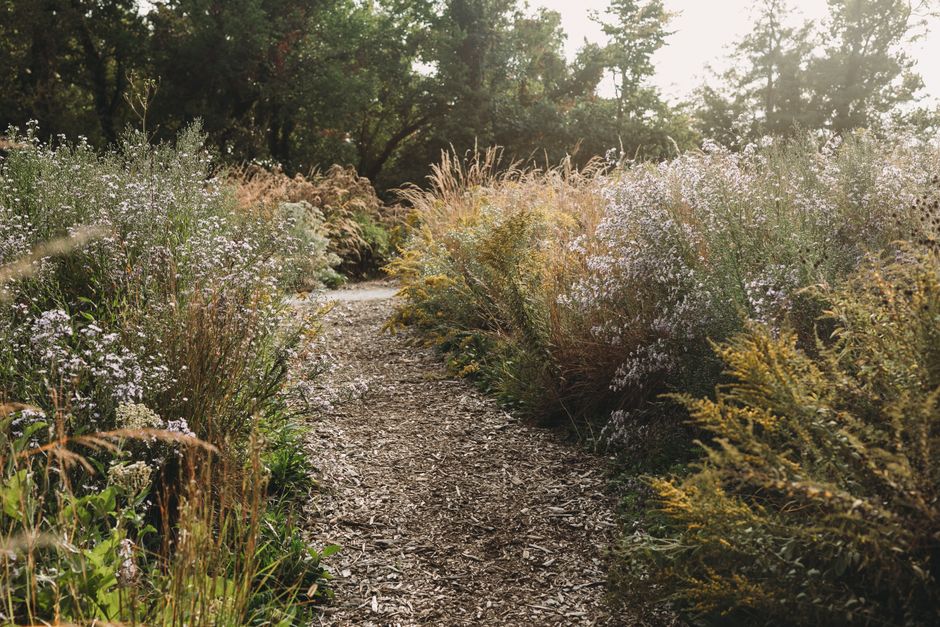
Create wildlife friendly borders using native plants
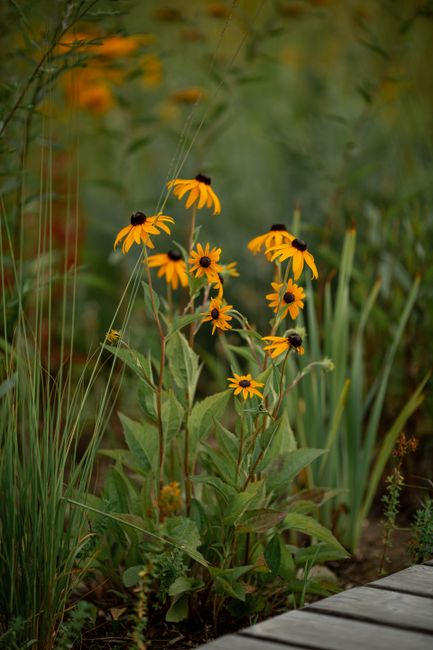
If you want a border that looks generous, feels alive, and does real work for the garden, this is the place to start. Create wildlife friendly borders using native plants and you get more than colour: you get shelter for birds, food for pollinators, better soil cover, and a planting scheme that usually settles in with far less fuss than a border full of thirsty, high-maintenance exotics. It is a practical way to garden, and honestly, a more satisfying one too. You notice the bees first, then the hoverflies, then the small, quiet movement of life around the stems. That is the magic.
In the UK, native borders are especially useful because they are already suited to our weather swings, heavier rains, and occasional summer dry spells. A well-planned edge can soften a fence, link different parts of the garden, and create a small habitat corridor even in a modest space. This guide walks through how it works, what to plant, what to avoid, and how to build a border that looks good in February as well as June.
- Why native wildlife borders matter
- How the planting system works
- Benefits and practical advantages
- Who this suits best
- Step-by-step border design
- Expert tips for stronger results
- Common mistakes to avoid
- Tools, resources and recommendations
- Law, compliance and best practice
- Methods and comparison table
- Real-world example
- Practical checklist
- Conclusion
- Frequently asked questions
Why Create wildlife friendly borders using native plants Matters
A wildlife-friendly border is simply a planted strip designed to provide food, cover, and nesting support for local species. Using native plants means choosing species that evolved here naturally, so the insects, birds, and small mammals in your area are more likely to recognise and use them. That sounds simple, but it changes everything.
Many modern gardens rely on hard surfaces, clipped evergreens, and ornamental plants that look neat but offer very little ecological value. A native border does the opposite. It layers heights, flower times, seed heads, and dense stems so the garden works like a small living system. If you have ever wondered why one border buzzes while another stays silent, this is usually the reason.
There is also a design benefit. Native plants tend to feel right in the landscape. They can make a border look rooted in place rather than dropped in from somewhere else. In a UK garden, that can be especially effective beside older brick walls, timber fencing, or a lightly informal lawn. If you are also thinking about structure, a good hedge line can help frame the space; our guide to hedge varieties for swift privacy is a helpful companion read.
And let's be fair: not every wildlife garden needs to look wild. You can keep it tidy, intentional, and still brilliant for nature. The trick is to build order into the planting, not to over-control every stem.
How Create wildlife friendly borders using native plants Works
The basic idea is to mimic the structure of a healthy edge habitat. In nature, the richest borders are not single rows. They are layers. Taller shrubs sit at the back, midsized perennials and grasses fill the middle, and lower plants or ground cover protect the soil at the front. That layered approach gives insects a sequence of nectar, pollen, shelter, and overwintering spaces.
Native plants support wildlife in several ways:
- Flowers feed pollinators such as bees, hoverflies, and butterflies.
- Leaves feed caterpillars, which is crucial if you want birds later on.
- Stems and seed heads provide food and winter cover.
- Root systems improve soil structure and help the border hold moisture.
- Dense planting reduces bare ground, which can limit weed pressure and moisture loss.
So the border is not just decorative. It becomes functional habitat. A blackbird may forage under the shrubs, a ladybird may shelter in the stems, and a small bee may use a sunny patch of thyme or a native marjoram flower spike. Tiny things, yes, but they add up quickly.
If your garden gets exposed to wind or sudden weather shifts, think about border placement carefully. A sheltering backdrop, a sturdy fence, or even a mixed hedge can make the whole system more reliable. For that side of the planning, it can help to look at wind-resilient garden planning and weather-proofing your garden ideas as part of the design process.
Key Benefits and Practical Advantages
The appeal of wildlife-friendly native borders is not just ecological; it is practical, too. A border that supports local conditions tends to ask less of you over time. That does not mean zero maintenance. It just means smarter maintenance.
| Benefit | What it means in practice | Why it matters |
|---|---|---|
| Better habitat value | Flowers, foliage, stems, and seeds all support different wildlife | More biodiversity in a small space |
| Lower input demand | Plants suited to local conditions usually need less watering once established | Less effort, lower waste, fewer replacements |
| Seasonal interest | Different species peak at different times of year | The border keeps earning its place |
| Soil protection | Ground cover and mulched planting reduce bare soil | Less erosion and less drying out |
| Design flexibility | Can be formal, cottage-style, or gently naturalistic | Works in many garden sizes and styles |
One of the underrated benefits is resilience. Native borders often bounce back better after a rough winter or a hot spell because they are not being asked to perform outside their comfort zone. If you are rebuilding an older plot or refreshing tired planting, this links nicely with a broader reset approach like the one discussed in kickstarting garden revival. A good border can be the part of the garden that quietly improves everything else around it.
And for families, there is another layer: a wildlife border can become a kind of living classroom. Children notice the first bee on a spring flower, the sounds of wrens in the hedge, or the way seed heads stay standing through frost. It is ordinary and special at the same time.
Who This Is For and When It Makes Sense
This approach suits a lot of gardeners, not just the eco-minded ones. If you have a suburban front garden, a long back fence, a narrow side return, or a larger boundary bed that feels a bit flat, native planting can transform it. It is also a strong choice if you are trying to reduce watering, cut down on lawn area, or make your garden feel calmer and less sterile.
It makes particular sense when:
- you want more bees, birds, and butterflies without creating a messy jungle;
- you need a border that can cope with local weather;
- you are replacing patchy shrubs or tired decorative bedding;
- you want a more natural look near a path, patio, or fence line;
- you prefer long-lived planting with a bit of seasonal change;
- you are gardening with children or beginners and want easy wins.
If your space is small, you can still do it. In fact, some of the best wildlife value comes from compact, carefully layered beds. A useful way to think about it is the same way you might approach container gardening for small spaces: every plant choice has to earn its space. In a border, that discipline actually helps.
If you already have mature hedging or a boundary that needs renewing, you might also want to compare your layout with the ideas in this hedge guide, because privacy planting and wildlife planting often work very well together. Not identical goals, but close enough to share a bed.
Step-by-Step Guidance
Here is the most reliable way to build a wildlife-friendly native border without overcomplicating it.
- Study the site first. Note sun, shade, soil type, wind exposure, and where water collects after rain. You do not need perfect data. Just walk the border at different times of day and notice what the soil feels like after a wet morning and a bright afternoon.
- Choose the job of the border. Is it mainly for colour, screening, habitat, or all three? A border behind seating may need more texture and fragrance, while one along a boundary may need taller structure.
- Build the structure in layers. Start with one or two small trees or shrubs if space allows, then add medium shrubs, herbaceous plants, and low ground cover. The layered effect is what makes the wildlife value climb.
- Prioritise a long flowering season. Aim for early, mid, and late-season blooms so pollinators have something to work with across the year.
- Include seed heads and stems. Do not tidy everything away in autumn. Some stems are winter shelter, and seed heads feed birds. A little untidiness, on purpose, is a good thing.
- Plant in groups. Repeating the same species in drifts looks better and is easier for insects to find. A single plant here and there can look fussy and less effective.
- Mulch after planting. Use organic mulch to protect soil, suppress weeds, and hold moisture. Keep it away from direct contact with woody stems.
- Water deeply in the first year. Even native plants need help to establish. After that, many will cope far better on their own.
If you are new to this sort of work, the basics in beginner-friendly gardening tips can save you a lot of trial and error. Truth be told, a well-made border is often just a series of sensible choices repeated consistently.
A small note on layout: put the more vigorous or taller plants at the back, and check mature height honestly. It is easy to under-estimate growth, then spend the next two years editing the same shrub. We have all done it.
Good native plant types to consider
- Shrubs: hawthorn, hazel, dog rose, guelder rose, blackthorn
- Perennials: oxeye daisy, knapweed, meadow cranesbill, scabious, yarrow
- Grasses and structural plants: native fescues, sedges, and other locally suited grasses
- Ground cover: native or naturally suited low growers that knit the soil together
For a useful companion on low-growing planting, you may find the ground cover plant guide helpful. Ground cover does the quiet work in a border: it reduces bare soil, makes the bed look finished, and helps wildlife move through it more confidently.
Expert Tips for Better Results
The difference between a decent wildlife border and a great one is usually in the details. Small things. Better spacing. Better timing. Better restraint.
- Mix nectar and habitat plants. A border full of flowers but no cover is attractive yet incomplete. Wildlife needs somewhere to rest, hide, and overwinter.
- Choose at least one plant for each season. Spring flowers, summer blooms, autumn seed heads, and winter structure matter equally. All four if you can.
- Use repetition for calm. Repeating a few native species creates a stronger visual rhythm than scattering twenty different plants at random.
- Leave some edges softer. Wildlife often uses the transition zones more than the centre of the bed. A slightly looser edge can help access and movement.
- Keep a small water source nearby. A shallow dish, a wildlife bowl, or a damp corner can make a surprising difference in dry weather.
- Prune lightly, not constantly. Over-pruning can remove flowers and nesting cover. Shape the border with a light hand.
One practical trick: if a border feels too busy, step back and remove one type of plant, not three. Most over-crowded borders are not lacking plants; they are lacking breathing room. There, fixed it. Better to have five well-placed species than ten fighting for a square metre.
Another quiet win is pairing native planting with wildlife-friendly edges elsewhere in the garden. A path can be softened with low plants, or a fence can be supported by climbers and shrubs. For broader design thinking, this bark-friendly backyard guide can spark ideas about how pets, people, and wildlife can share space a bit more peacefully.
Common Mistakes to Avoid
Most border problems are not dramatic. They are usually the result of small mismatches that build up over time.
- Choosing plants only for looks. If they do not fit the soil or local conditions, they will ask for too much care and underperform.
- Planting too tightly. It looks full at first, then becomes crowded, disease-prone, and awkward to maintain.
- Cutting everything back at once. This removes shelter and can leave wildlife stranded, especially in colder months.
- Ignoring shade and moisture levels. A native plant still needs the right niche. Woodland species in a hot, dry border will struggle.
- Using sterile hard landscaping at the base. A strip of paving or gravel can be useful, but too much reduces habitat value.
- Forgetting the year-one care. Native does not mean instant. Establishment is still a real phase.
We have also seen people over-manicure borders that are meant to support wildlife. A bit of leaf litter, a few stems, and a slightly uneven outline are not failures. They are often features. Nature is not a clipped hedge. It never was.
If weeds are already dominating the edge, sort that first. A clear border makes every other job easier. There is a useful practical approach in these weed control tips, especially if you are dealing with persistent runners or neglected ground.
Tools, Resources and Recommendations
You do not need fancy kit, but the right basics make the job smoother and less frustrating. Gardening should feel like a satisfying afternoon, not a battle with the earth.
- Spade and fork: for soil preparation and planting holes
- Secateurs: for neat pruning and deadheading
- Watering can or hose: especially useful in the first year
- Organic mulch: for moisture retention and weed suppression
- Gloves and kneeler: simple, but your back will thank you
- Soil improver or compost: useful if the border is tired or thin
If you are building the border from scratch, composting or converting organic waste into soil feed can be a sensible, low-cost way to improve soil over time. That approach is explored in the organic waste conversion guide. It is one of those quiet improvements that pays back repeatedly.
For timing and labour planning, it can also help to think seasonally. A new border is easier to plant in cool, moist conditions than in a hot dry stretch. And if the garden already needs a broader refresh, you may want to look at garden revival ideas before you start lifting plants around.
If you would rather have professional help shaping the border, improving the surrounding layout, or handling heavier clearing, the site's gardening services and landscaping support may be useful starting points. If you are planning a larger boundary change, fencing and tree surgery can also be relevant to the wider design.
Law, Compliance, Standards, or Best Practice
For most private gardens, there is no special legal requirement to create a wildlife border. That said, there are sensible best practices worth following in the UK. If your garden backs onto a shared boundary, keep planting considerate and avoid encroachment. If trees or hedging are involved, be mindful of neighbour impacts, light, and access for maintenance.
If you are using a contractor or asking for help with soil movement, pruning, or structural changes, it is reasonable to expect clear communication about safety, access, and waste handling. Professional garden work should also be carried out with ordinary care around tools, wildlife nesting areas, and seasonal constraints. In other words, don't strip a hedge in the middle of nesting season just because it looks tidy to do so. That kind of rush usually creates more problems than it solves.
Where protected habitats, mature trees, or boundary issues are involved, it is sensible to check local guidance or seek qualified advice before making major changes. You do not need to become a law expert to be a good gardener. You just need a careful eye and a bit of common sense.
For service standards and business transparency, pages such as health and safety information, insurance and safety guidance, and terms and conditions can be reassuring when you are planning work. If you are comparing costs, the pricing and quotes page is the obvious place to start, and if you want to know more about the team behind the work, about us gives useful background.
Options, Methods, or Comparison Table
There is more than one way to create a wildlife-friendly border. The right method depends on how tidy you want it to look, how much space you have, and how hands-on you want to be.
| Method | Best for | Pros | Trade-offs |
|---|---|---|---|
| Formal native border | Front gardens, neat terraces, visible boundaries | Tidy look, strong structure, good curb appeal | Needs sharper edging and more disciplined pruning |
| Cottage-style native border | Informal gardens, family spaces, mixed planting beds | Rich seasonal interest, more relaxed habitat feel | Can look untidy if spacing is poor |
| Layered boundary border | Long fences or rear boundaries | Great screening and wildlife value | Requires room for taller shrubs and maintenance access |
| Compact pollinator border | Small gardens and narrow strips | Easy to maintain, highly productive for insects | Less visual drama than larger schemes |
If the garden has dark or awkward corners, you are not stuck. Native borders can be adapted for shade with the right species mix, and the same principle applies to climbers and vertical structure. For those tricky spaces, shade-tolerant climbers can help bridge the gap between border and wall.
For a more climate-conscious approach, it is also worth thinking about how your planting choices affect water use, shelter, and seasonal resilience. That broader perspective is discussed in gardening as a pathway to reduce climate change effects, which pairs well with native border planning.
Case Study or Real-World Example
Here is a realistic example from a typical UK back garden. A tired 8-metre border sat along a fence and got afternoon sun, then gusts of wind later in the day. It had a few overgrown shrubs, patchy soil, and not much else. In spring, it looked bare. By late summer, it looked scruffy.
The solution was not a complete redesign. It was a smarter one. The border was thinned, the soil was improved with compost, and a layered planting scheme was introduced: a small mixed shrub layer for structure, native perennials for colour, and low ground cover at the front to stop bare soil showing. A shallow water dish was added near the seating area, and some seed heads were left standing through winter.
The result, after one season, was not perfection. Let's be honest, gardens never really are. But the border had texture, movement, and more visitors. Bees worked the flowers on warm mornings, a blackbird fed along the base, and the fence line no longer looked harsh. The whole space felt more settled. Not fussy, just alive.
If the border sits close to a place where people gather, such as a deck or patio, it can be helpful to integrate it into the wider garden layout. Ideas from garden seating arrangements or soothing zen garden elements can help you balance wildlife value with comfort and usability.
Practical Checklist
Use this before you plant, or even if you are just tidying an existing border and want to make it more wildlife friendly.
- Have I checked sun, shade, wind, and soil moisture?
- Do I know what job the border is doing: screening, habitat, colour, or all three?
- Have I chosen native plants suited to the site, not just the look I like?
- Is there a mix of flowers, foliage, stems, and seed heads across the seasons?
- Have I left room for growth and airflow?
- Do I have mulch and basic tools ready?
- Is there at least one sheltered space or gap for wildlife to use?
- Have I planned a light maintenance routine rather than a hard cut-back?
- Have I checked whether any boundary work, trees, or access issues need extra care?
- Am I keeping some leaf litter, stems, or habitat features in place through winter?
If you are building from scratch, it can help to pair this checklist with general maintenance support. A border works best when the rest of the garden is in decent shape too, and that is where garden maintenance and lawn care can support the bigger picture. Even a small improvement in the surrounding space makes the border feel more intentional.
And if the garden is part of a family home, safety matters. Wildlife planting should still leave clear paths, obvious edges, and sensible access. For that side of things, safe garden planning for children and playful yet safe garden ideas are worth reading alongside this piece.
Get a free quote today and see how much you can save.
Conclusion
When you create wildlife friendly borders using native plants, you are doing more than filling a gap along a fence or path. You are building a small, living system that supports the garden from the ground up. It can feed pollinators, shelter birds, soften hard edges, and make the space feel more grounded and more yours.
Start with the site, choose plants that genuinely suit it, layer the planting, and leave a little room for nature to do its own thing. That last part matters more than people think. A border does not have to be perfect to be beautiful. In fact, the best ones usually have a bit of looseness, a bit of texture, a bit of life. That is the point.
If you want help shaping the planting, improving the layout, or tying the border into the rest of the garden, it is worth speaking with a local gardening team. Sometimes the difference between "nearly there" and "that looks brilliant" is just having a careful pair of hands on the job. And on a quiet morning, when the bees are moving through the flowers and the light is catching the seed heads, you will know it was worth it.
Frequently Asked Questions
What are the best native plants for a wildlife-friendly border in the UK?
The best choices are usually plants that suit your exact soil and light conditions. Native shrubs, meadow-style perennials, and low ground cover often work well together. Think in layers rather than single specimens. A border with spring, summer, and autumn interest is much more useful than one that peaks for only a few weeks.
Do native plants always attract more wildlife?
Usually, yes, but the planting style matters. A single native plant in isolation will not do much. A mixed border with flowering plants, shelter, and some seed-bearing structure is far more effective. Wildlife needs a bit of everything: food, cover, and places to pause.
Can I make a wildlife border in a small garden?
Absolutely. Small gardens can be excellent for wildlife if the planting is dense and well chosen. Even a narrow border can support pollinators, provide shelter, and soften a boundary. In a smaller space, every plant has to work harder, which is not a bad thing at all.
How much maintenance does a native border need?
Less than many ornamental borders, but not none. Expect regular watering while plants establish, light weeding, occasional pruning, and seasonal tidying. The trick is not to over-manage it. A wildlife-friendly border should look cared for, not over-scrubbed.
Should I leave dead stems and seed heads over winter?
Often, yes. They can provide shelter and food for wildlife during colder months. You can tidy things up later in the season, but leaving some structure through winter is one of the simplest ways to improve habitat value.
Do wildlife borders look messy?
They can if they are poorly planned, but they do not have to. Repetition, sensible spacing, and a few strong structural plants keep the border looking intentional. Wildlife-friendly does not mean untidy. It just means the garden is allowed to breathe a little.
What if my soil is poor or dry?
That is where native plants often shine. Choose species that naturally suit dry, poor, or clay soils rather than trying to force thirsty plants into place. Improve the soil with compost where needed, then mulch to reduce moisture loss. After establishment, many native choices cope better than people expect.
Can I mix native plants with non-native ones?
Yes, of course. A mixed border can still be wildlife friendly if the core structure and food sources are strong. Native planting is the foundation, not a rule against everything else. The goal is a useful, resilient border, not a purity test.
When is the best time to plant a native border?
Autumn and spring are usually the easiest times because the weather is kinder and the soil holds moisture better. That gives roots a chance to settle before the extremes of summer or winter arrive. If you plant in warmer weather, just be ready to water more carefully.
How do I stop weeds taking over the new border?
Clear weeds thoroughly before planting, use mulch, and plant densely enough to reduce bare soil. That combination makes a huge difference. If the border is very weedy already, deal with the worst offenders first rather than trying to plant around them and hoping for the best.
Do wildlife-friendly borders work near patios and seating areas?
Yes, and they can make those spaces feel far more restful. The key is to keep access clear and choose plants that are not overly intrusive. A border near a patio works well when it frames the space instead of crowding it. A bit of fragrance near seating is lovely, to be fair.
What should I do if I want help planning or building the border?
Look for a gardening team that understands planting structure, soil preparation, and seasonal care, not just quick planting. For a broader project, it may also help to consider related support such as gardening services, landscaping, or even fencing if the border needs a stronger boundary to work against. If you are ready to talk it through, get in touch here.